
for christmas my sister gave me a cute little metal case to hold my ID, credit cards and our adorable new business cards :) i love it. i have actually never had an 'official' business card. after college, i volunteered with a non-profit and then became a flight attendant. ive never had a job that required one. and honestly i never thought i would have a business card that had the word "placenta" on it :)
when i was growing up all my dream jobs involved traveling. a national geographic photographer. a marine biologist. or how great would it be to be the person who goes through the amazon and test different plants to see if it could be a cure for AIDS? it intrigues me that there are places in brazil where they take the poison from a frog, put it on an arrow or something sharp and then they cut you so that the poison gets into your blood stream. and this is supposed to help with some sickness (i swear i saw it on the animal planet :). who comes up with these techniques and do they really work?
it seems as if every culture has their own methods or miracle drugs. I have had fish eat my dead skin cells in cambodia. i have bathed in a tea tree oil lake in australia. i have experienced 'reflexology' in thailand. did you know that in the Buddhist country of laos they believe in karma and that "being stressed" is bad for your karma? it is one of the most laid back cultures. i have been sick in almost every continent and as i travel, i observe, i experience, i embrace, i learn. and i continue to ask myself, when it comes to health....who knows best?
we know that what we do here at 'fruit of the womb' may seem foreign or uncommon or seem like a 'new' concept to many. when in reality the placenta has held a place of honor throughout the history of time. people honor the placenta differently depending on the culture of course, but the important thing is that we stop to recognize that this organ serves an important, sacred purpose in fostering new life.
regardless of where you live.
Wednesday, January 20, 2010

Saturday, January 16, 2010
Iron Deficiency Anemia 101 - Pregnancy, Childbirth and Lactating Women
Anemia
Anemia is the most common disorder of the blood.
What is Iron Deficiency Anemia?
"Iron Deficiency Anemia (also called IDA) is a condition where a person has inadequate amounts of iron to meet body demands. It is a decrease in the amount of red cells in the blood caused by having too little iron. Iron deficiency anemia is usually caused by a diet insufficient in iron or from blood loss. Blood loss can be acute as in hemorrhage or trauma or long term as in heavy menstruation.
Iron deficiency anemia is the most common form of anemia. About 20% of women, 50% of pregnant women, and 3% of men are iron deficient."
Quote from Mamas Health
Are you at risk?
According to Health Scout
"High-risk groups include:
-Women of child-bearing age who have blood loss through menstruation
-Pregnant or lactating women who have an increased requirement for iron
-Infants, children, and adolescents in rapid growth phases
-People with a poor dietary intake of iron"
Does blood loss cause anemia?
"When you lose blood, you lose iron. If you don’t have enough iron stored in your body to make up for the iron loss, you’ll develop iron-deficiency anemia.
In women, low iron levels may be due to blood loss from long or heavy menstrual periods or bleeding fibroids in the uterus. Blood loss that occurs during childbirth is another cause for low iron levels in women."
Quote from National Heart Lung and Blood Institute
High iron foods?
"Your body needs iron to produce hemoglobin. Iron found in meats is more easily absorbed into your blood than the iron found in vegetables and other foods. To treat your anemia, your doctor may recommend eating more meat – especially red meat such as beef and liver – as well as chicken, turkey, pork, fish, and shellfish."
Quote from The Internet Encyclopedia of Science
The placenta for nutrition?
Over and over you will find research journals state that:
"Transitional metals, especially iron, (are) particularly abundant in the placenta"
Here are a few to get you started:
The Journal of Nutrition
Sage Journals Online
Mitochondria Research
Review:
Your body needs more iron during pregnancy.
Your body needs more iron after blood loss and/or childbirth.
Your body has supplied you with an extremely iron-rich organ.
You should reintroduce this needed iron back into your body.
Increasing your intake of iron will help prevent anemia.
Your own placenta pills are your own natural iron supplement.
Anemia is the most common disorder of the blood.
What is Iron Deficiency Anemia?
"Iron Deficiency Anemia (also called IDA) is a condition where a person has inadequate amounts of iron to meet body demands. It is a decrease in the amount of red cells in the blood caused by having too little iron. Iron deficiency anemia is usually caused by a diet insufficient in iron or from blood loss. Blood loss can be acute as in hemorrhage or trauma or long term as in heavy menstruation.
Iron deficiency anemia is the most common form of anemia. About 20% of women, 50% of pregnant women, and 3% of men are iron deficient."
Quote from Mamas Health
Are you at risk?
According to Health Scout
"High-risk groups include:
-Women of child-bearing age who have blood loss through menstruation
-Pregnant or lactating women who have an increased requirement for iron
-Infants, children, and adolescents in rapid growth phases
-People with a poor dietary intake of iron"
Does blood loss cause anemia?
"When you lose blood, you lose iron. If you don’t have enough iron stored in your body to make up for the iron loss, you’ll develop iron-deficiency anemia.
In women, low iron levels may be due to blood loss from long or heavy menstrual periods or bleeding fibroids in the uterus. Blood loss that occurs during childbirth is another cause for low iron levels in women."
Quote from National Heart Lung and Blood Institute
High iron foods?
"Your body needs iron to produce hemoglobin. Iron found in meats is more easily absorbed into your blood than the iron found in vegetables and other foods. To treat your anemia, your doctor may recommend eating more meat – especially red meat such as beef and liver – as well as chicken, turkey, pork, fish, and shellfish."
Quote from The Internet Encyclopedia of Science
The placenta for nutrition?
Over and over you will find research journals state that:
"Transitional metals, especially iron, (are) particularly abundant in the placenta"
Here are a few to get you started:
The Journal of Nutrition
Sage Journals Online
Mitochondria Research
Review:
Your body needs more iron during pregnancy.
Your body needs more iron after blood loss and/or childbirth.
Your body has supplied you with an extremely iron-rich organ.
You should reintroduce this needed iron back into your body.
Increasing your intake of iron will help prevent anemia.
Your own placenta pills are your own natural iron supplement.
Friday, January 15, 2010
How are we different
At Fruit of the Womb we believe that woman and child come first. Childbirth will no doubt be the biggest transition any woman will go through physically, mentally, and emotionally which is exactly why mothers should be served after giving birth. We come directly to you and pick up the placenta to immediately start the placenta encapsulation process. Although highly educated and experienced, we are not Midwives, Doulas, yoga teachers, or childbirth educators our specialty lies solely in Placenta Education and Encapsulation and our time is set aside for you. Because placenta encapsulation is our specialty we have a faster turn around time which means you get your pills sooner. Don't get me wrong, this process cannot be rushed and the work is sacred but time is of the essence when it comes to a mother and child and their physical, mental and emotional well-being. We take the time to do things right. The placenta is gently steamed and dehydrated on a low heat so that the most amount of hormones, nutrients and vitamins are preserved. Sure, this takes longer but ultimately you receive the highest grade of pill. Finally, we will hand deliver your medicine straight to your front door. It is our goal that you receive your placenta pills no later than 2 to 3 days postpartum. Why? According to Dr. Sears official website and many others the Postpartum Blues "Usually start(ing) between the third and fifth day after delivery, feelings of mild depression, crying spells, anxiety, irritability, and mood swings occur in as many as 85% of women". If a mother begins to have any of these feelings she should be able to take her medicine. Mothers shouldn't have to coordinate who is taking the placenta. Nor should husbands and friends have to be leaving mother and baby's side to meet with someone. Even more importantly no one should have to wait for their placenta medicine to arrive in the mail! These are precious days and time that is being lost. It is our goal that every mother receives placenta education and encapsulation. Each woman and child deserves the highest quality placenta pills delivered in a timely manner. We believe that the services we provide are life changing and we are honored to be helping families in this way.
Friday, January 8, 2010
Let's get technical- Postpartum Blues, Depression, Psychosis, or PTS
On the Fruit of the Womb Website and Blog we often refer to terms that may need a bit more clarity. Below, we have attached a few of many resources to help explain the complicated topic of Postpartum Illnesses.
Baby blues aka Postpartum Blues or Maternity Blues- Latest statistics show that 80% of mothers will experience Postpartum Blues. According to An Introduction to Postpartum Illness
by Laurence Kruckman and Susan Smith (see below for the reference link). These symptoms include but are not limited to:
BABY BLUES
Physical Symptoms:
Lack of Sleep
No Energy
Food Cravings or Loss of Appetite
Feeling Tired Even after Sleeping
Mental States:
Anxiety and Excessive Worry
Confusion
Great Concern over Physical Changes
Confusion and Nervousness
Feeling, “I’m not myself; this isn’t me”
Lack of Confidence
Sadness
Feeling Overwhelmed
Behavioral Reactions:
Crying more than Usual
Hyperactivity or Excitability
Oversensitivity
Feelings Hurt Easily
Irritability
Lack of Feeling for the Baby
Click here to see Wikipedia's simple definition
PostPartum Depression (PPD)- Is a more severe form of "Baby Blues" with prevalence rates among women 5-25%. There are many resources for moms experiencing Postpartum Depression. However, it still is "unclear" as to what causes PPD.

{This is an awarness poster being given out by the Postpartum Support International}
Postpartum Psychosis- Is the most serious of the three Postpartum Illnesses. Postpartum Psychosis is a relatively rare disorder occurring on an average of 1 per 1000 births.
Most recently, there has been discussion of adding a 4th Postpartum Illness titled Postpartum Post-Traumatic Stress Syndrome (PTS). More information on this overlooked aspect can be read about in the Center for Women's Mental Health article here.
Click here to read An Introduction to Postpartum Illness in which the author discusses the differences between Baby Blues, PPD and Postpartum Psychosis.
At Fruit of the Womb we encourage all women to take preventative measures for their personal health. With these illnesses being as common as they are, every woman is potentially at risk. Placenta Encapsulation is 100% natural made perfectly for you and baby, by your own body. We encourage women to research what is right for them and to explore the many benefits of placentophagy.
Baby blues aka Postpartum Blues or Maternity Blues- Latest statistics show that 80% of mothers will experience Postpartum Blues. According to An Introduction to Postpartum Illness
by Laurence Kruckman and Susan Smith (see below for the reference link). These symptoms include but are not limited to:
BABY BLUES
Physical Symptoms:
Lack of Sleep
No Energy
Food Cravings or Loss of Appetite
Feeling Tired Even after Sleeping
Mental States:
Anxiety and Excessive Worry
Confusion
Great Concern over Physical Changes
Confusion and Nervousness
Feeling, “I’m not myself; this isn’t me”
Lack of Confidence
Sadness
Feeling Overwhelmed
Behavioral Reactions:
Crying more than Usual
Hyperactivity or Excitability
Oversensitivity
Feelings Hurt Easily
Irritability
Lack of Feeling for the Baby
Click here to see Wikipedia's simple definition
PostPartum Depression (PPD)- Is a more severe form of "Baby Blues" with prevalence rates among women 5-25%. There are many resources for moms experiencing Postpartum Depression. However, it still is "unclear" as to what causes PPD.

{This is an awarness poster being given out by the Postpartum Support International}
Postpartum Psychosis- Is the most serious of the three Postpartum Illnesses. Postpartum Psychosis is a relatively rare disorder occurring on an average of 1 per 1000 births.
Most recently, there has been discussion of adding a 4th Postpartum Illness titled Postpartum Post-Traumatic Stress Syndrome (PTS). More information on this overlooked aspect can be read about in the Center for Women's Mental Health article here.
Click here to read An Introduction to Postpartum Illness in which the author discusses the differences between Baby Blues, PPD and Postpartum Psychosis.
At Fruit of the Womb we encourage all women to take preventative measures for their personal health. With these illnesses being as common as they are, every woman is potentially at risk. Placenta Encapsulation is 100% natural made perfectly for you and baby, by your own body. We encourage women to research what is right for them and to explore the many benefits of placentophagy.
Thursday, January 7, 2010
What does a London soccer star and the placenta have in common?

{image via arsenalcolumn.com}
Click here to see how Arsenal striker Robin Van Persie is using the placenta to assist in healing his major sport injury.
Monday, December 28, 2009
Shower Yourself
I love hosting baby showers and blessingways! I believe that all babies and mothers should be showered with love. It shouldn't matter if this is your 1st, 3rd, or 5th baby, they are each a gift! And every pregnancy and birth is unique and special.
It is amazing to me all the things we as mothers do to prepare for our little one. All of the visits to make sure mom and baby are healthy. The classes we can take to prepare for birth and breastfeeding. We even have this 'instinct' to prepare our home. The nursery bed is made. The tiny clothes are folded and organized. Everything is perfect. It seems as though we have thought of everything to welcome our baby and we would stop at nothing to make sure they are safe, healthy, and loved.
Once the baby has arrived you realize the simplicity of a baby's needs. Food, warmth, and love. Don't get me wrong those vibrating bouncy seats can do wonders (especially when you have multiple children). But when you really think about the true needs of the baby you realize...hum...maybe we could have done without this or that...at least for awhile.
If you are like 80% of other women you start to experience what is commonly known as "The Baby Blues." You have just delivered a baby and the 'pregnancy state' your body has been getting used to has significantly been altered in a matter of hours. Blood has been lost, hormones are fluctuating, your uterus is still working hard to contract down, your breast milk is being produced, just to name a few. Although you have been anticipating this day, and meeting your baby for the first time, you are trying to heal and are understandably exhausted and fatigued.
I encourage you research the many benefits, for both you and baby, of placentophagy. The opportunity for you to invest in your postpartum period is priceless. Once the placenta is thrown away your opportunity to have it encapsulated, and all of its benefits, are lost. This is a natural way to heal with no side effects because it was designed, from the very beginning, with only you and baby in mind.
So, as you prepare for your newborn with Classes and Gift Registry, give yourself the gift of a successful postpartum period and invest in Placenta Encapsulation for you and your child.


It is amazing to me all the things we as mothers do to prepare for our little one. All of the visits to make sure mom and baby are healthy. The classes we can take to prepare for birth and breastfeeding. We even have this 'instinct' to prepare our home. The nursery bed is made. The tiny clothes are folded and organized. Everything is perfect. It seems as though we have thought of everything to welcome our baby and we would stop at nothing to make sure they are safe, healthy, and loved.
Once the baby has arrived you realize the simplicity of a baby's needs. Food, warmth, and love. Don't get me wrong those vibrating bouncy seats can do wonders (especially when you have multiple children). But when you really think about the true needs of the baby you realize...hum...maybe we could have done without this or that...at least for awhile.
If you are like 80% of other women you start to experience what is commonly known as "The Baby Blues." You have just delivered a baby and the 'pregnancy state' your body has been getting used to has significantly been altered in a matter of hours. Blood has been lost, hormones are fluctuating, your uterus is still working hard to contract down, your breast milk is being produced, just to name a few. Although you have been anticipating this day, and meeting your baby for the first time, you are trying to heal and are understandably exhausted and fatigued.
I encourage you research the many benefits, for both you and baby, of placentophagy. The opportunity for you to invest in your postpartum period is priceless. Once the placenta is thrown away your opportunity to have it encapsulated, and all of its benefits, are lost. This is a natural way to heal with no side effects because it was designed, from the very beginning, with only you and baby in mind.
So, as you prepare for your newborn with Classes and Gift Registry, give yourself the gift of a successful postpartum period and invest in Placenta Encapsulation for you and your child.


Wednesday, December 9, 2009
A "fruity" comparison
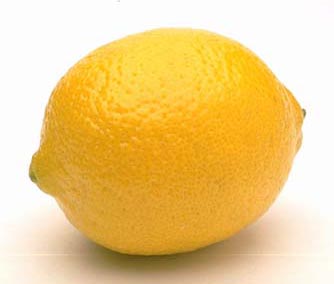
I was talking to a dear friend of mine about her pregnancy. As you can imagine, I heart pregnancy and everything that goes with it. As we were discussing her latest ultrasound she says, "The baby has grown SO MUCH it's like a little lemon now!" A 14-week-old ripe lemon! Ahh..so sweet.

"Bearing good fruit is the culmination of a long, delicate process of growth. It's a process that requires special conditions, a lot of hard work, and, some farmers would add, divine blessing."
(quote via Wondercafe)
Yesterday it was a grape, today a lemon, and tomorrow a watermelon!
"Behold, children are a gift of the LORD, The fruit of the womb is a reward."
~Psalm 127:3
"Bearing good fruit is the culmination of a long, delicate process of growth. It's a process that requires special conditions, a lot of hard work, and, some farmers would add, divine blessing."
(quote via Wondercafe)
Yesterday it was a grape, today a lemon, and tomorrow a watermelon!
"Behold, children are a gift of the LORD, The fruit of the womb is a reward."
~Psalm 127:3
Wednesday, November 25, 2009
You want me to eat what?
The thought of eating a placenta sounds horrible to me. I am not a sushi kind of girl so raw in general sort of makes me nauseous. However, given the situation, and if we are talking life or death there would be no question in my mind; I will do whatever needs to be done- and drink whatever I need to drink- to be well.
Following these traditional methods of placentophagy are amazing. The draw back to creating a "placenta cocktail" or actually cooking with a placenta is that it limits the time of consumption and therefore the amount of time you may benefit from its resources.
This is why placenta encapsulation is such a great alternative. You still get the many benefits of nutrients, hormones, etc. but it is carefully put in the highest grade of Vegetarian Capsules that have no preservatives, no animal products and are put in an easy to swallow size capsule.

We follow the Traditional Chinese Medicine (TCM) guidelines of placenta encapsulation. This process includes steaming, drying, grinding and encapsulating the placenta. The preservation technique of dehydration simply refers to the removal of moisture from foods, in other words, drying. This method extends shelf life significantly because yeasts, molds and bacteria need moisture to survive. Therefore, as long as the capsules do not get wet, they are good for many years to come. And, when you have recovered from childbirth, you can freeze the capsules and save them for menopause.
So if you are one of the many women that can't "swallow" the idea of eating the placenta that is OK. Placenta encapsulation is the best choice to receive optimum benefits.
Following these traditional methods of placentophagy are amazing. The draw back to creating a "placenta cocktail" or actually cooking with a placenta is that it limits the time of consumption and therefore the amount of time you may benefit from its resources.
This is why placenta encapsulation is such a great alternative. You still get the many benefits of nutrients, hormones, etc. but it is carefully put in the highest grade of Vegetarian Capsules that have no preservatives, no animal products and are put in an easy to swallow size capsule.

We follow the Traditional Chinese Medicine (TCM) guidelines of placenta encapsulation. This process includes steaming, drying, grinding and encapsulating the placenta. The preservation technique of dehydration simply refers to the removal of moisture from foods, in other words, drying. This method extends shelf life significantly because yeasts, molds and bacteria need moisture to survive. Therefore, as long as the capsules do not get wet, they are good for many years to come. And, when you have recovered from childbirth, you can freeze the capsules and save them for menopause.
So if you are one of the many women that can't "swallow" the idea of eating the placenta that is OK. Placenta encapsulation is the best choice to receive optimum benefits.
Birth Plan...Placenta Plan
Epidural...no epidural?
Episiotomy...no episiotomy?
Pitocin...no Pitocin?
There are so many things to think about while preparing for your birth. I loved the idea my Childbirth Class Educator while preparing for my first birth. The idea was to have a plan before walking into the hospital and the realization that I do have choices. I felt empowered by having a plan. I felt like I was prepared. I knew that I had done my research and made decisions that were right for me.
It was not until my second child that my Licensed Homebirth Midwife had asked me something I had never been questioned about before. She had asked me what my plan for the placenta was. I, like most women probably, was taken by surprise. A plan for my placenta? I suppose I didn't realize there was much to do with the placenta. I was in nursing school at the time. We had discussed during my Labor and Delivery rotation everything there was to know about pregnancy, birth and postpartum. NEVER had anyone told me that a mother had options in regards to the placenta. It made me sad to think that this amazing connection between my first born and I, a "lifeline" as I have heard it called before was simply thrown in the trash with hardly a second look. It seemed so unappreciated. I had heard of preserving cord blood before and all of the research that is going into it's benefits but never the placenta.
Because of my schooling I was well aware of what the placenta was for but had never been taught the benefits of a placenta once the baby was born. I liked the idea of honoring the placenta in some way maybe to bury it under a tree to represent the new life it had become.
Then my midwife mentioned eating it. Wait, what did you say... eating it!?!? Um, no. I mean somebody was going to have to pay me to do something totally gross like that. Sure, I wanted to be 'super natural' but I have to draw the line somewhere. I flippantly said, "Who would do that unless it was like life or death!?" My wonderful midwife smiled and laughed and sweetly told me stories of women whose life HAD been saved physically as a result of eating the placenta raw and other women whose life had been saved emotionally by eating it in pill form. Hummm... I thought...I'll think about it. Although I did eventually get the placenta encapsulated, which I am so grateful for, I still had many questions.
By baby number 3 I finally had a placenta plan! I did my research and had someone lined up to encapsulate the placenta. I was also aware of the benefits of traditional placentophagy and had told myself that if a situation arose I would remain open to a "placenta cocktail." Thank goodness I did not need to take it, for if I did, it may have came right back up. The point is I was aware. I knew my options and I had a plan. I had made educated decisions on what was best for me, my baby, and my family.
I have no idea what is right for you and your family. But, I do know, that traditionally mothers are never asked what their 'plan' is for the placenta. It is simply thrown in the trash. And although that is 100% a choice that you can make I encourage mothers to truly look at the many other options you have. Make it part of your birth plan and review it with your health care professionals.
Episiotomy...no episiotomy?
Pitocin...no Pitocin?
There are so many things to think about while preparing for your birth. I loved the idea my Childbirth Class Educator while preparing for my first birth. The idea was to have a plan before walking into the hospital and the realization that I do have choices. I felt empowered by having a plan. I felt like I was prepared. I knew that I had done my research and made decisions that were right for me.
It was not until my second child that my Licensed Homebirth Midwife had asked me something I had never been questioned about before. She had asked me what my plan for the placenta was. I, like most women probably, was taken by surprise. A plan for my placenta? I suppose I didn't realize there was much to do with the placenta. I was in nursing school at the time. We had discussed during my Labor and Delivery rotation everything there was to know about pregnancy, birth and postpartum. NEVER had anyone told me that a mother had options in regards to the placenta. It made me sad to think that this amazing connection between my first born and I, a "lifeline" as I have heard it called before was simply thrown in the trash with hardly a second look. It seemed so unappreciated. I had heard of preserving cord blood before and all of the research that is going into it's benefits but never the placenta.
Because of my schooling I was well aware of what the placenta was for but had never been taught the benefits of a placenta once the baby was born. I liked the idea of honoring the placenta in some way maybe to bury it under a tree to represent the new life it had become.
Then my midwife mentioned eating it. Wait, what did you say... eating it!?!? Um, no. I mean somebody was going to have to pay me to do something totally gross like that. Sure, I wanted to be 'super natural' but I have to draw the line somewhere. I flippantly said, "Who would do that unless it was like life or death!?" My wonderful midwife smiled and laughed and sweetly told me stories of women whose life HAD been saved physically as a result of eating the placenta raw and other women whose life had been saved emotionally by eating it in pill form. Hummm... I thought...I'll think about it. Although I did eventually get the placenta encapsulated, which I am so grateful for, I still had many questions.
By baby number 3 I finally had a placenta plan! I did my research and had someone lined up to encapsulate the placenta. I was also aware of the benefits of traditional placentophagy and had told myself that if a situation arose I would remain open to a "placenta cocktail." Thank goodness I did not need to take it, for if I did, it may have came right back up. The point is I was aware. I knew my options and I had a plan. I had made educated decisions on what was best for me, my baby, and my family.
I have no idea what is right for you and your family. But, I do know, that traditionally mothers are never asked what their 'plan' is for the placenta. It is simply thrown in the trash. And although that is 100% a choice that you can make I encourage mothers to truly look at the many other options you have. Make it part of your birth plan and review it with your health care professionals.
Monday, November 23, 2009
FAQ
Why should I encapsulate the placenta?
Over 80% of mothers suffer from the “baby blues” starting in the first weeks after giving birth. Studies show that the placenta is extremely nutrient rich, high in iron, protein, vitamins and minerals, including vitamin B6 and of course, your own natural hormones. Your placenta is perfectly made for you, by you. Experts agree that the placenta retains hormones, and thus reintroducing them to your system may ease hormonal fluctuations.
Placenta pills are believed to:
-diminish “baby blues”
-increase breast milk production
-help the uterus to contract down and therefore lessens postpartum bleeding
-ease fatigue
-contain your own natural hormones
-balance your system
-replenish nutrients lost during childbirth
-increase energy levels
-ease your postpartum transition
Although current formal research on human placentophagy does not exist, what we do know is that women who take placenta capsules report fewer emotional issues, have more energy and tend to enjoy a faster, more pleasant postpartum recovery. The first few days and weeks with your new baby are precious. Invest in you postpartum recovery with placenta capsules that are made perfectly for your body.
How does the process work?
Please let your heathcare providers know your wish to keep your placenta in advance. Most Colorado hospitals are aware of your rights to the placenta; however, if you anticipate a problem you can print a “Release of Placenta and Waiver Liability” form (attached herewith) For your convenience we will come and pick up your placenta immediately following delivery, ideally, within the first 24 hours. The placenta should be placed in a plastic bag or container (we suggest a Ziplock bag or a Tupperware container.) The placenta can be refrigerated during the first 48 hours but needs to be placed in the freezer if the 48-hour time frame has been exceeded. We can encapsulate the placenta up to a maximum of 6 months post birth if the placenta has been stored properly. The encapsulation process takes 24 to 48 hours at which point we will hand deliver your placenta capsules to you.
How are the capsules made?
This process includes steaming, drying, grinding and encapsulating the placenta. During this process we adhere to the utmost standards of cleanliness and use careful preparation techniques for consumption. We believe the placenta is made perfectly for you, by you; therefore, we do not add any additional herbs or spices to your placenta during the encapsulation process. We use only the highest grade of Vegetarian Capsules that have no preservatives, no animal products and come in an easy to swallow size capsule.
How many capsules will my placenta make?
Each placenta is different in size and substance so the amount of capsules it makes can vary from 50 to 200.
Who can benefit from placenta pills?
All mothers and babies can benefit from their own placenta medicine. We work with women delivering at home, birth centers or hospitals within the Denver/ Boulder Area. If you live out of state and desire the benefits of placenta medicine please contact us to coordinate special arrangements.
NOTE: Any pregnant mother that has positively been diagnosed with Hepatitis B, Hepatitis C, HIV/AIDS or has had a uterine infection during pregnancy cannot participate in placentophagy.
When should I take my placenta pills?
You should start taking your placenta capsules as soon as you receive it. The suggested dosage is 1- 3 capsules 1- 3 times per day for the first 1- 3 weeks of postpartum. At that point you may choose to continue taking the pills or you can taper off and use them when you are:
-feeling fatigued
-experiencing stress
-in a period of transition
-feeling sadness or depression
How should I store my placenta capsules?
The pills have been dehydrated so must be stored in a cool, dry place. The preservation technique of dehydration simply refers to the removal of moisture from foods, in other words, drying. This method extends shelf life significantly because yeasts, molds and bacteria need moisture to survive. Therefore, as long as the capsules do not get wet they are good for many years to come.
How does my baby benefit from placenta pills?
Your baby benefits from placenta pills as much as you do and all by simply breastfeeding! In addition to some of the health benefits outlined above, your baby may also experience an improved immune system. If you are taking your placenta pills on a regular basis your baby receives all of the same benefits of placenta encapsulation as the mother. If, for some reason, you are unable to breastfeed please contact us for other ways your baby can still benefit. Once your child has moved onto pureed food you can mix in the placenta powder of one capsule daily directly into their food. Remember, you and your baby shared this placenta and can both have shared benefit!
Over 80% of mothers suffer from the “baby blues” starting in the first weeks after giving birth. Studies show that the placenta is extremely nutrient rich, high in iron, protein, vitamins and minerals, including vitamin B6 and of course, your own natural hormones. Your placenta is perfectly made for you, by you. Experts agree that the placenta retains hormones, and thus reintroducing them to your system may ease hormonal fluctuations.
Placenta pills are believed to:
-diminish “baby blues”
-increase breast milk production
-help the uterus to contract down and therefore lessens postpartum bleeding
-ease fatigue
-contain your own natural hormones
-balance your system
-replenish nutrients lost during childbirth
-increase energy levels
-ease your postpartum transition
Although current formal research on human placentophagy does not exist, what we do know is that women who take placenta capsules report fewer emotional issues, have more energy and tend to enjoy a faster, more pleasant postpartum recovery. The first few days and weeks with your new baby are precious. Invest in you postpartum recovery with placenta capsules that are made perfectly for your body.
How does the process work?
Please let your heathcare providers know your wish to keep your placenta in advance. Most Colorado hospitals are aware of your rights to the placenta; however, if you anticipate a problem you can print a “Release of Placenta and Waiver Liability” form (attached herewith) For your convenience we will come and pick up your placenta immediately following delivery, ideally, within the first 24 hours. The placenta should be placed in a plastic bag or container (we suggest a Ziplock bag or a Tupperware container.) The placenta can be refrigerated during the first 48 hours but needs to be placed in the freezer if the 48-hour time frame has been exceeded. We can encapsulate the placenta up to a maximum of 6 months post birth if the placenta has been stored properly. The encapsulation process takes 24 to 48 hours at which point we will hand deliver your placenta capsules to you.
How are the capsules made?
This process includes steaming, drying, grinding and encapsulating the placenta. During this process we adhere to the utmost standards of cleanliness and use careful preparation techniques for consumption. We believe the placenta is made perfectly for you, by you; therefore, we do not add any additional herbs or spices to your placenta during the encapsulation process. We use only the highest grade of Vegetarian Capsules that have no preservatives, no animal products and come in an easy to swallow size capsule.
How many capsules will my placenta make?
Each placenta is different in size and substance so the amount of capsules it makes can vary from 50 to 200.
Who can benefit from placenta pills?
All mothers and babies can benefit from their own placenta medicine. We work with women delivering at home, birth centers or hospitals within the Denver/ Boulder Area. If you live out of state and desire the benefits of placenta medicine please contact us to coordinate special arrangements.
NOTE: Any pregnant mother that has positively been diagnosed with Hepatitis B, Hepatitis C, HIV/AIDS or has had a uterine infection during pregnancy cannot participate in placentophagy.
When should I take my placenta pills?
You should start taking your placenta capsules as soon as you receive it. The suggested dosage is 1- 3 capsules 1- 3 times per day for the first 1- 3 weeks of postpartum. At that point you may choose to continue taking the pills or you can taper off and use them when you are:
-feeling fatigued
-experiencing stress
-in a period of transition
-feeling sadness or depression
How should I store my placenta capsules?
The pills have been dehydrated so must be stored in a cool, dry place. The preservation technique of dehydration simply refers to the removal of moisture from foods, in other words, drying. This method extends shelf life significantly because yeasts, molds and bacteria need moisture to survive. Therefore, as long as the capsules do not get wet they are good for many years to come.
How does my baby benefit from placenta pills?
Your baby benefits from placenta pills as much as you do and all by simply breastfeeding! In addition to some of the health benefits outlined above, your baby may also experience an improved immune system. If you are taking your placenta pills on a regular basis your baby receives all of the same benefits of placenta encapsulation as the mother. If, for some reason, you are unable to breastfeed please contact us for other ways your baby can still benefit. Once your child has moved onto pureed food you can mix in the placenta powder of one capsule daily directly into their food. Remember, you and your baby shared this placenta and can both have shared benefit!
Tuesday, November 17, 2009
my placenta journey begins
i am the oldest of 3 girls. i have 3 degrees. and i have 3 boys of my own. whatever new endeavors i explore i always seem to come full circle right back to the basics. a love for mama's, babies, birth and all the issues that encompass these things. i am not sure how or when this love story began. perhaps it was when i was 5. i camped out on the hospital floor at the feet of my mothers bed in my magenta polyester sleeping bag. hours and hours passed by as my mother's labor slowly peaked. i heard words being spoken across the room back and forth like meconium, doula, respiratory distress, and contractions that were becoming part of my vocabulary as each hour passed. i loved my mom more than anything and had this amazing confidence in her that she could do this even through the occasional yells and screams. i was as prepared as a 5 year old could be. i looked through the Bradley Method books and saw pictures of the other mothers doing the exact same things that my mom was. and soon my best friend was born. i watched her through a glass dome as the hospital took the measures needed to insure her lungs were clear. while my sister was practicing her breathing, i was busy preparing for a party. the doula and i went into the lounge area and put the final touches on the birthday cake. i made sure that everyone had a hat and my dad made sure everyone had some champagne. it was a true celebration of a new life begun and a huge accomplishment for my mother.
from that moment on i had told everyone i was going to be an obstetrician. it seemed like an admirable goal. a doctor.
ten years had passed and my parents dream of having another child had come true. i was 15 and like most teenagers the world revolved around me. my mother once again had no doubt that she was going to have a natural birth and choose a midwife to assist for baby girl number three. i watched in awe of my mother's strength, desire and love shining through with every push. i cried and like a pro cut the cord and placed a warm hat on my newest baby sister. i was inspired with out knowing and wanted to tell the world with out knowing how.
unfortunately, it was a school day and not even birth was going to get me out of playing hooky. I wanted to show everyone my baby sister so instead i asked if i could take the placenta. as i look back i have no idea what possessed me to want to take the placenta to school, but i did. i felt like a rebel, or that i had a special secret that only i knew. i remember having to take it to one class before hitting my final class, Biology where my secret would be revealed. as i pulled out the tupperware the class looked on eagerly. i mean, what was going to top dissecting a pig or cat brain like we had done in the classes previous? but i knew what i had was much more exciting. an organ that had hours before sustained life. an organ so complex that it is hard for some of the greatest scientists and doctors in the world to explain.
my teacher was ecstatic. and even offered me extra credit. some kids thought it was gross while others were amazed. i was proud that i could share with others what i truly believe is one of the most powerful, unique and unappreciated organs of them all-the placenta.
from that moment on i had told everyone i was going to be an obstetrician. it seemed like an admirable goal. a doctor.
ten years had passed and my parents dream of having another child had come true. i was 15 and like most teenagers the world revolved around me. my mother once again had no doubt that she was going to have a natural birth and choose a midwife to assist for baby girl number three. i watched in awe of my mother's strength, desire and love shining through with every push. i cried and like a pro cut the cord and placed a warm hat on my newest baby sister. i was inspired with out knowing and wanted to tell the world with out knowing how.
unfortunately, it was a school day and not even birth was going to get me out of playing hooky. I wanted to show everyone my baby sister so instead i asked if i could take the placenta. as i look back i have no idea what possessed me to want to take the placenta to school, but i did. i felt like a rebel, or that i had a special secret that only i knew. i remember having to take it to one class before hitting my final class, Biology where my secret would be revealed. as i pulled out the tupperware the class looked on eagerly. i mean, what was going to top dissecting a pig or cat brain like we had done in the classes previous? but i knew what i had was much more exciting. an organ that had hours before sustained life. an organ so complex that it is hard for some of the greatest scientists and doctors in the world to explain.
my teacher was ecstatic. and even offered me extra credit. some kids thought it was gross while others were amazed. i was proud that i could share with others what i truly believe is one of the most powerful, unique and unappreciated organs of them all-the placenta.
Monday, November 16, 2009
oh baby.
im kate.
im 25 years old and single.
and i really have no reason to be interested in all this "placenta stuff."
im not planning on having babies anytime soon.
but i am my sisters' sister.
i have seen her through 3 pregnancies. 2 home births. i have sat through meetings with midwives and helped with tea baths. there is so much to learn before you have a baby, and some things you just have to learn through experience. there is nothing like the miracle of having a baby. and it intrigues me.
i grew up in a family that believed this miracle was for the whole family to experience and be involved in. when i was ten i helped deliver my little sister, just like my big sister helped deliver me. this life changing experience does not just effect the mother and child. everyone who knows the mother, who wants to be apart of this new baby's life, is effected. giving birth is emotionally, physically and spiritually hard. and if someone told me that there is something natural that can support the mom and baby in this process then i would want to know. i believe in the power of the placenta and i am excited to partake in this miracle when i have kids. for now i hope to help others discover and experience this gift.
im 25 years old and single.
and i really have no reason to be interested in all this "placenta stuff."
im not planning on having babies anytime soon.
but i am my sisters' sister.
i have seen her through 3 pregnancies. 2 home births. i have sat through meetings with midwives and helped with tea baths. there is so much to learn before you have a baby, and some things you just have to learn through experience. there is nothing like the miracle of having a baby. and it intrigues me.
i grew up in a family that believed this miracle was for the whole family to experience and be involved in. when i was ten i helped deliver my little sister, just like my big sister helped deliver me. this life changing experience does not just effect the mother and child. everyone who knows the mother, who wants to be apart of this new baby's life, is effected. giving birth is emotionally, physically and spiritually hard. and if someone told me that there is something natural that can support the mom and baby in this process then i would want to know. i believe in the power of the placenta and i am excited to partake in this miracle when i have kids. for now i hope to help others discover and experience this gift.
Sunday, November 15, 2009
you are gifted.
as i laid in my own bed with my husband and our hour old baby boy, we thought of what to name him. the worry and excitement and fear had been replaced with feelings of joy, thankfulness, love and purpose. i now had the honor of loving and raising two boys. something you can never fully be ready or prepared for.
but i think some things might happen not because you are ready, but maybe because it simply becomes your turn.
sometimes you have to jump, and grow your wings on the way down.
as we are admiring our new addition to the family,one of the midwives peeks her head in...
"what would you like to do with the placenta?" she asks.
the question caught me off guard. i honestly didn't know what she was talking about.
my husband kindly reminded her of where the trash was located.
she could tell we were confused and briefly informed us that this unique organ that is the mediator between the life flow of you and your baby contains many vital nutrients and is the perfect medicine for healing and rejuvenating after birth.
who knew.
and while all this was intriguing, i declined the placenta cocktail and told her i would think about the powder or pill option, she understood, and put the placenta in our freezer.
the next couple days i did some research. looked online. talked to my midwife. of course i had questions about this organic ritual. and then i was in the middle of breast-feeding and it dawned on me. i realized how much i trust my body. it made perfect sense that this organ could facilitate in healing and postpartum recovery. i called my midwife and told her i would like to have my placenta encapsulated.
after that i no longer thought of the placenta as an organ to be thrown away. but more of a gift. a miracle.
her miracle came unannounced...
and in an odd package
it looked different than she had imagined
unpolished
untimely
unexpected
unpretentious
yet it fit perfectly
divinely constructed
solely for her.
(by kristen jongen)
but i think some things might happen not because you are ready, but maybe because it simply becomes your turn.
sometimes you have to jump, and grow your wings on the way down.
as we are admiring our new addition to the family,one of the midwives peeks her head in...
"what would you like to do with the placenta?" she asks.
the question caught me off guard. i honestly didn't know what she was talking about.
my husband kindly reminded her of where the trash was located.
she could tell we were confused and briefly informed us that this unique organ that is the mediator between the life flow of you and your baby contains many vital nutrients and is the perfect medicine for healing and rejuvenating after birth.
who knew.
and while all this was intriguing, i declined the placenta cocktail and told her i would think about the powder or pill option, she understood, and put the placenta in our freezer.
the next couple days i did some research. looked online. talked to my midwife. of course i had questions about this organic ritual. and then i was in the middle of breast-feeding and it dawned on me. i realized how much i trust my body. it made perfect sense that this organ could facilitate in healing and postpartum recovery. i called my midwife and told her i would like to have my placenta encapsulated.
after that i no longer thought of the placenta as an organ to be thrown away. but more of a gift. a miracle.
her miracle came unannounced...
and in an odd package
it looked different than she had imagined
unpolished
untimely
unexpected
unpretentious
yet it fit perfectly
divinely constructed
solely for her.
(by kristen jongen)
Subscribe to:
Comments (Atom)

